If you live in Apopka and struggle with allergies, the issue may be circulating through your home—not coming from outside. Based on what we’ve seen in real Apopka homes, improperly installed HVAC systems often spread pollen, dust, and moisture-related allergens room to room, quietly worsening symptoms. This page breaks down how smarter HVAC installation in Apopka—including precise system sizing, airflow balancing, and targeted filtration—can actively reduce allergens at the source, improve indoor air quality, and create a home that truly supports easier breathing year-round.
Quick Answers
HVAC Installation in Apopka
HVAC installation in Apopka should be designed for high humidity and year-round allergen exposure—not just cooling capacity. In our experience, properly sized systems with balanced airflow, sealed ductwork, and humidity control deliver cleaner indoor air, better comfort, and longer system life. Smarter installation ensures filters work as intended and helps reduce allergens instead of recirculating them throughout the home.
Top Takeaways
HVAC installation quality affects indoor air.
Proper sizing and airflow reduce allergens.
Humidity control limits mold and dust mites.
Filters only work if air is sealed and balanced.
Better installation means fewer allergy flare-ups.
How Smarter HVAC Installation Helps Allergy Sufferers Breathe Easier in Apopka
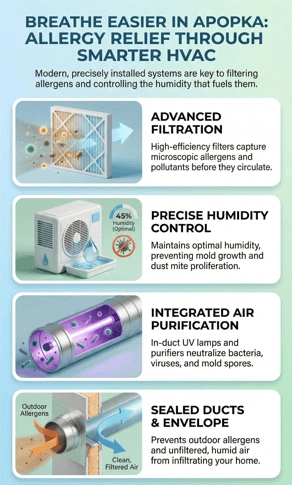
In Apopka’s humid, allergy-prone environment, HVAC installation quality has a direct impact on how allergens behave inside your home. Based on what we’ve observed in local homes, systems that are oversized or poorly designed tend to cycle too quickly, leaving excess moisture in the air. That lingering humidity allows mold spores, dust mites, and pollen to remain active and circulate through living spaces.
Smarter HVAC installation starts with proper system sizing and airflow design. When air is distributed evenly and returns are correctly placed, allergens are less likely to settle or get pulled from unconditioned areas like attics or wall cavities. This not only improves comfort from room to room but also reduces the constant recirculation of irritants that can trigger allergy symptoms.
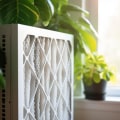
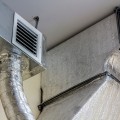
Just as important are the installation details that often get overlooked—sealed duct connections, tight filter housings, and filtration matched to the system’s airflow. In our experience, these behind-the-scenes choices make a noticeable difference over time, helping Apopka allergy sufferers experience cleaner air, fewer flare-ups, and more consistent indoor comfort year-round.

“After working with homes in Apopka’s humid climate, we’ve seen that HVAC systems don’t fail allergy sufferers because of the equipment—they fail because of how they’re installed. When airflow, humidity control, and filtration are designed correctly from day one, indoor air quality improves in ways homeowners can actually feel.”
Essential Resources on “HVAC Installation in Apopka”
Choosing the right HVAC system is about more than comfort—it’s about protecting your air. Below are carefully selected resources we trust to help Apopka homeowners understand what truly matters during HVAC installation, especially if allergies, humidity, or indoor air quality are a concern.
Local HVAC Installers Who Understand Apopka’s Air Challenges
Why it matters: Apopka’s heat, humidity, and pollen levels demand more than a one-size-fits-all install. Local experts who work in Central Florida homes every day are better equipped to size systems correctly and design airflow that supports cleaner indoor air.
Resource: https://www.nicksacandheat.com/hvac-installation
U.S. Department of Energy: Why Installation Quality Impacts Your Air
Why it matters: The DOE confirms what we see firsthand—poor HVAC installation can undermine efficiency, comfort, and air quality no matter how good the equipment is. This research explains why airflow, sizing, and sealing matter so much.
Resource: https://www.energy.gov/eere/buildings/articles/residential-hvac-installation-practices-review-research-findings
Manufacturer-Certified HVAC Installers Near Apopka
Why it matters: Certified installers follow strict performance standards set by manufacturers, helping ensure your system delivers proper airflow and filtration while protecting warranties and long-term reliability.
Resource: https://www.carrier.com/residential/en/us/dealers/fl/apopka
HVAC Installation Planning From a Leading Manufacturer
Why it matters: Understanding what happens before, during, and after installation empowers homeowners to ask smarter questions and choose systems that align with both comfort and air quality goals.
Resource: https://www.trane.com/residential/en/products/air-conditioners/hvac-installation/
Florida HVAC Installation Codes & Compliance Standards
Why it matters: Proper installation isn’t just best practice—it’s the law. This resource outlines Florida code requirements that help protect homeowners from unsafe, inefficient, or non-compliant HVAC installs.
Resource: https://bcapcodes.org/florida/hvac-installation-codes/
Apopka HVAC Providers Offering Indoor Air Quality Solutions
Why it matters: Allergy relief doesn’t stop at the equipment. HVAC companies that also address filtration, airflow, and humidity control are better positioned to create healthier indoor environments.
Resource: https://mechanicalone.com/locations/apopka-fl/
Supporting Statistics: Trusted Data Behind Better HVAC Decisions
1. Indoor air quality affects health more than most homeowners realize
Americans spend about 90% of their time indoors, where pollutant levels can be 2–5 times higher than outdoor air. From what we see in homes, HVAC systems play a constant role in either reducing or redistributing those pollutants.
Source: U.S. Environmental Protection Agency (EPA)
https://www.epa.gov/indoor-air-quality-iaq/introduction-indoor-air-quality
2. Excess indoor moisture significantly increases biological contaminants
The EPA confirms that high indoor humidity supports the growth of mold, dust mites, and other allergens, which can worsen respiratory symptoms. In humid climates like Apopka, improper HVAC installation often prevents effective moisture removal.
Source: U.S. Environmental Protection Agency (EPA)
https://www.epa.gov/mold/mold-course-chapter-2
3. Healthy humidity levels are clearly defined by industry experts
ASHRAE recommends maintaining indoor relative humidity between 30% and 60% to support comfort and limit conditions that allow biological contaminants to thrive. Achieving this range depends heavily on correct HVAC system sizing and airflow design.
Source: ASHRAE (.org)
https://www.ashrae.org/technical-resources/bookstore/indoor-air-quality-guide
Final Thoughts & Our Take
What we’ve learned from real homes in Apopka:
Allergy issues are rarely caused by just one thing. In our experience, they’re most often tied to HVAC systems installed to cool fast—but not to manage airflow, moisture, and filtration together. When installation focuses only on temperature, allergens continue to circulate no matter how often filters are replaced.
Why smarter installation makes a measurable difference:
When HVAC systems are installed correctly, multiple air-quality problems are addressed at once:
Proper system sizing helps control humidity.
Balanced airflow prevents allergens from settling or spreading.
Sealed ductwork limits unfiltered air intrusion.
Filtration works as intended instead of being bypassed.
Our opinion, based on firsthand experience:
Allergy relief doesn’t start with buying better add-ons—it starts with building a better air system. In Apopka homes, smarter HVAC installation creates a foundation where cleaner air, healthier humidity, and long-term comfort can actually coexist year-round.
Next Steps: What to Do Now
If allergies are impacting your comfort, take these clear, practical steps to improve your indoor air:
1. Assess your current system
Notice allergy flare-ups, excess dust, uneven temperatures, or high humidity.
These often point to installation or airflow issues.
2. Schedule a professional HVAC evaluation
Choose a local, licensed provider.
Look for a full review of sizing, ductwork, airflow, and humidity—not just equipment age.
3. Ask the right installation questions
How is the system sized for Apopka’s climate?
How is airflow balanced and ductwork sealed?
How is humidity controlled?
Which filters work best with this system?
4. Upgrade filtration correctly
Use high-quality filters matched to your system’s airflow.
Proper fit and sealing matter as much as filter rating.
5. Think long term
Smarter HVAC installation creates a foundation for cleaner air.
Fewer allergy triggers. More consistent comfort.
FAQ on HVAC Installation in Apopka
Q: Why does HVAC installation affect allergies in Apopka homes?
A:
Apopka’s humidity keeps allergens active.
Poor installation allows allergens to circulate.
Proper airflow and moisture control reduce exposure.
Q: Does a new HVAC system automatically improve indoor air quality?
A:
Not always.
Oversized or poorly balanced systems still trap moisture.
Installation quality determines air quality results.
Q: What are signs an HVAC system was installed incorrectly?
A:
Excess dust or musty odors.
Uneven temperatures between rooms.
Allergy symptoms worse indoors.
Filters clog quickly.
Q: What should I ask an HVAC installer in Apopka?
A:
How is the system sized for humidity?
How is airflow balanced?
How is ductwork sealed?
How does filtration fit the design?
Q: Can better filters fix poor HVAC installation?
A:
No.
Air bypass reduces filter effectiveness.
Proper installation allows filters to work as intended.
Here is the nearest branch location serving the Palmetto Bay FL area…
No.
Air bypass reduces filter effectiveness.
Proper installation allows filters to work as intended.
Filterbuy HVAC Solutions - Miami FL
1300 S Miami Ave Unit 4806, Miami, FL 33130
(305) 306-5027
https://maps.app.goo.gl/jkEe6CxzmpsyeKdP8